International Medical Corps
Since International Medical Corps began working in Zimbabwe, during the 2008–2009 cholera epidemic, we have delivered quality health and nutrition services in food-insecure rural areas while improving nutrition and helping to reduce the spread of waterborne diseases by implementing proper water, sanitation and hygiene (WASH) practices among underserved populations.
In 2013, we increased our development-oriented programming as part of a consortium in which International Medical Corps led the health, nutrition and WASH components. Today, our teams continue to improve maternal and child health, nutrition and WASH in communities and health facilities while strengthening local healthcare systems, training local healthcare workers, preventing and responding to violence against women and girls, and improving overall self-reliance through community engagement.
What is the humanitarian situation in Zimbabwe?
Zimbabwe’s health-delivery system continues to face challenges caused by a severe economic downturn. The rates of newborn and maternal mortality are well above the World Health Organization (WHO) targets for sustainable development, as are the ratios of doctors and nurses to the general population. Many in Zimbabwe have no access to safe water sources, leaving them vulnerable to outbreaks of disease.
What are the main humanitarian challenges in Zimbabwe?
Drought and flooding exacerbate the difficulty of implementing sustained humanitarian aid programs in Zimbabwe. Decreased access to clean water negatively affects nutrition and increases the incidence of multiple diseases. Cyclones, droughts and floods also present significant challenges to the people and infrastructure of Zimbabwe.
How is International Medical Corps addressing maternal health issues in Zimbabwe?
Our teams in Zimbabwe construct, rehabilitate and operate waiting mother homes, where pregnant women stay to receive health services during the last weeks of pregnancy. At care facilities, we establish nutrition gardens that provide vegetables for pregnant mothers. Our team trains community health workers on infant and young-child feeding practices. We also conduct water and hygiene rehabilitations in healthcare facilities to improve the quality of care and prevent and control infections.
How can I help people in Zimbabwe?
By donating to International Medical Corps, you can help us save lives in Zimbabwe and respond to other crises worldwide.
Share

Stories From the Ground
Villages Take Ownership of Their Water and Health in Zimbabwe
Suan Kupuka, who now chairs her local water committee, describes life in her Bikita district village before the completion of her local water project: “Life in our village was an unrelenting struggle. Our children bore the heaviest burden. By the time they returned with water, exhaustion had drained them, leaving them hollow-eyed and limp, with their homework untouched. How could they learn? How could they dream? The water jars they carried on their heads held more than just water—they bore the weight of lost potential.”
Today, thanks to our Zimbabwe team’s water projects, more than 3,700 people in Chikohora, Nyamayevhu and Pakatai villages have local access to water at nearby pumps. “Even those who once struggled the most—such as the elderly and disabled—can now collect water safely from the taps,” says another community member. “This improvement isn’t just about convenience. It’s about restoring our dignity.”
Stories From the Ground
TRAINING HEALTHCARE WORKERS
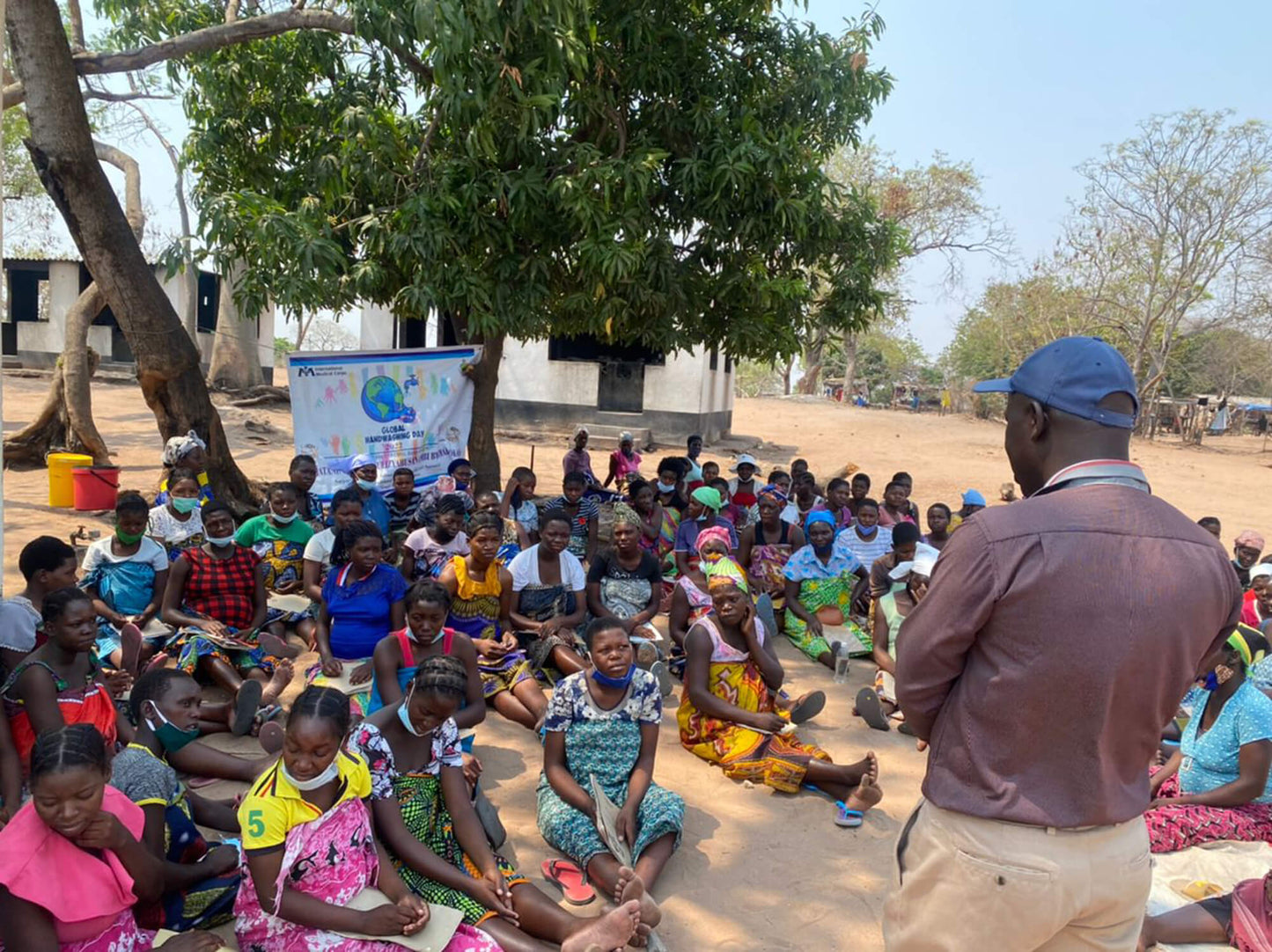
International Medical Corps trains district-level health staff and
community health workers (CHWs) on how to:
- prevent chronic malnutrition;
- screen for acute malnutrition;
- promote maternal and newborn nutrition;
- prevent and respond to environmental health risks; and
- implement WASH and healthcare projects.
To reduce health-facility-acquired infections, our staff has
trained nearly 600 frontline healthcare workers on infection
prevention and control (IPC).
Stories From the Ground
Nutrition and Food Security
International Medical Corps promotes agricultural resilience in Zimbabwe through inclusive local ownership programs, integrated water resource management, and village savings and loan associations. Since 2013, we have promoted care groups through nutrition programs in Binga, Bulilima, Gwanda, Hwange, Lupane, Mangwe, Nkayi and Tsholotsho districts. Our staff trains community health workers to promote and lead infant and young-child feeding (IYCF) programs, as well as other care practices, for pregnant and lactating women and children during the critical period between conception and a child’s second birthday.
How They Work
-
Local-First Delivery: More than 96% of International Medical Corps' global staff are local to the countries in which they work. In Zimbabwe, this means programmes are designed and delivered largely by Zimbabweans, ensuring cultural relevance, community trust and continuity even after international teams rotate out.
-
Train, Then Hand Over: Every intervention is built around the principle of transferring skills into local hands. Health workers, village committees and community volunteers are trained not just to deliver a single programme, but to sustain the underlying practice, whether that is safe water management, hygiene promotion or malnutrition screening, long after initial funding ends.
-
Systems Strengthening Over Quick Fixes: Rather than operating parallel services, International Medical Corps works through and alongside Zimbabwe's existing health facilities and district health structures, rehabilitating hospitals and clinics, supplying nutrition gardens, and reinforcing government-run systems so that the country's own health infrastructure becomes stronger with every programme cycle.